User experience (UX) design is evolving rapidly, and artificial intelligence (AI) is at the forefront of this transformation. One of the most significant advancements in UX is the integration of AI chatbots. These intelligent virtual assistants enhance customer interactions, streamline processes, and improve overall digital experiences.
AI chatbots are no longer just customer support tools—they are shaping the way users interact with brands, applications, and websites. This blog explores their role in UX design, their impact, and how businesses can leverage them for better user engagement.
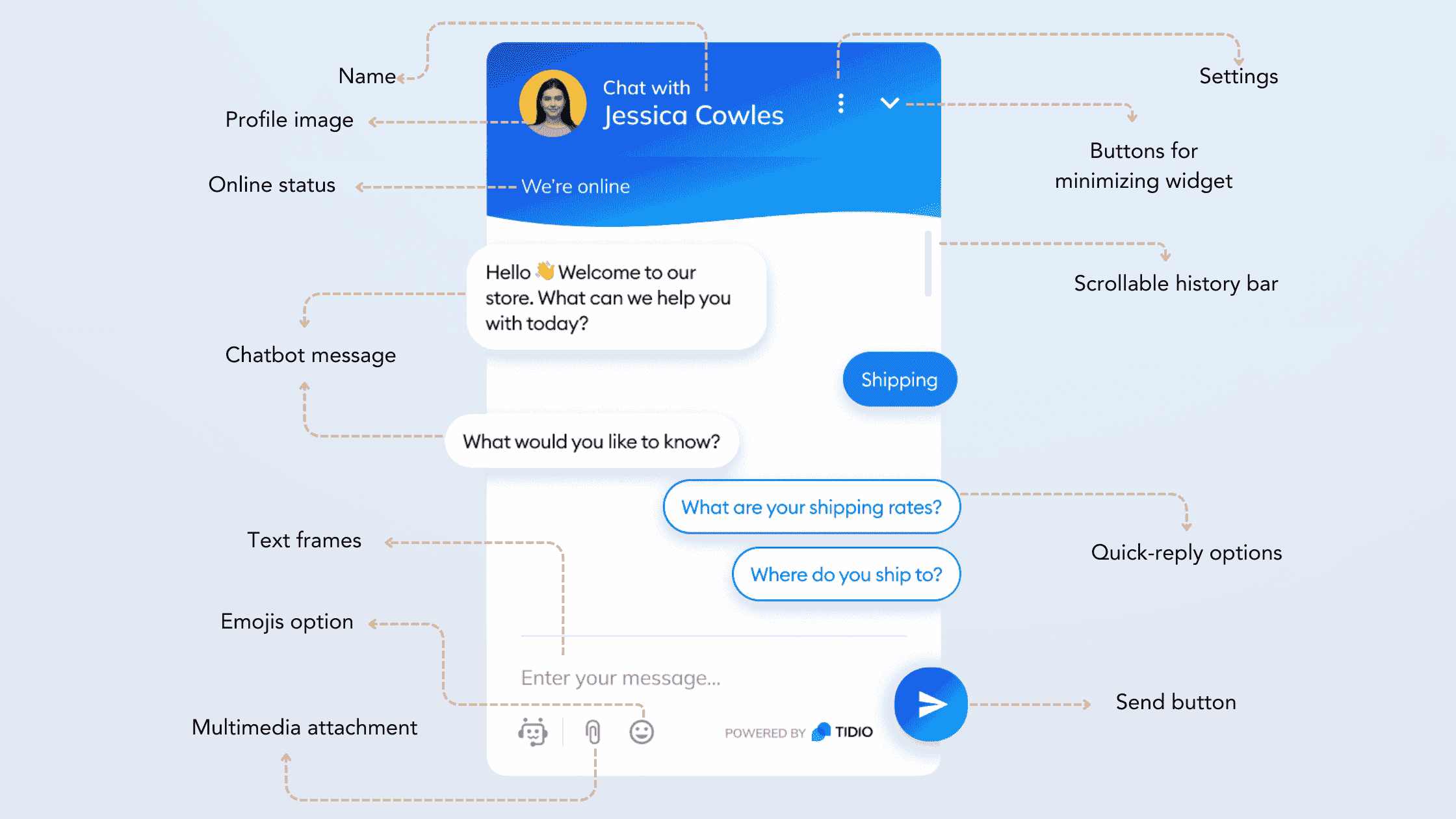
Image Credit - Golden Owl
1. Enhancing User Engagement with AI Chatbots
AI chatbots create dynamic and interactive experiences that keep users engaged.
Why AI Chatbots Improve Engagement?
- Provide instant responses, reducing wait times
- Offer personalised interactions based on user preferences
- Guide users seamlessly through digital platforms
By engaging users in real-time conversations, AI chatbots significantly enhance customer satisfaction and retention.
2. Personalisation: Tailoring Experiences for Every User
Personalisation is a key factor in modern UX, and AI chatbots excel in delivering customised experiences.
How AI Chatbots Achieve Personalisation?
- Analyse user data to offer tailored recommendations
- Adapt conversation flows based on user behaviour
- Remember past interactions for a seamless experience
By offering content and solutions that align with individual user needs, chatbots create a more intuitive and enjoyable experience.
3. AI Chatbots in Customer Support and Problem-Solving
Customer support has always been a critical aspect of UX design. AI chatbots have revolutionised this space by offering 24/7 assistance.
How AI Chatbots Improve Customer Support?
- Automate responses to common queries, reducing workload on human agents
- Provide multilingual support for a global audience
- Direct users to the right resources quickly
With their ability to resolve issues in real time, AI chatbots enhance customer support efficiency while improving overall satisfaction.
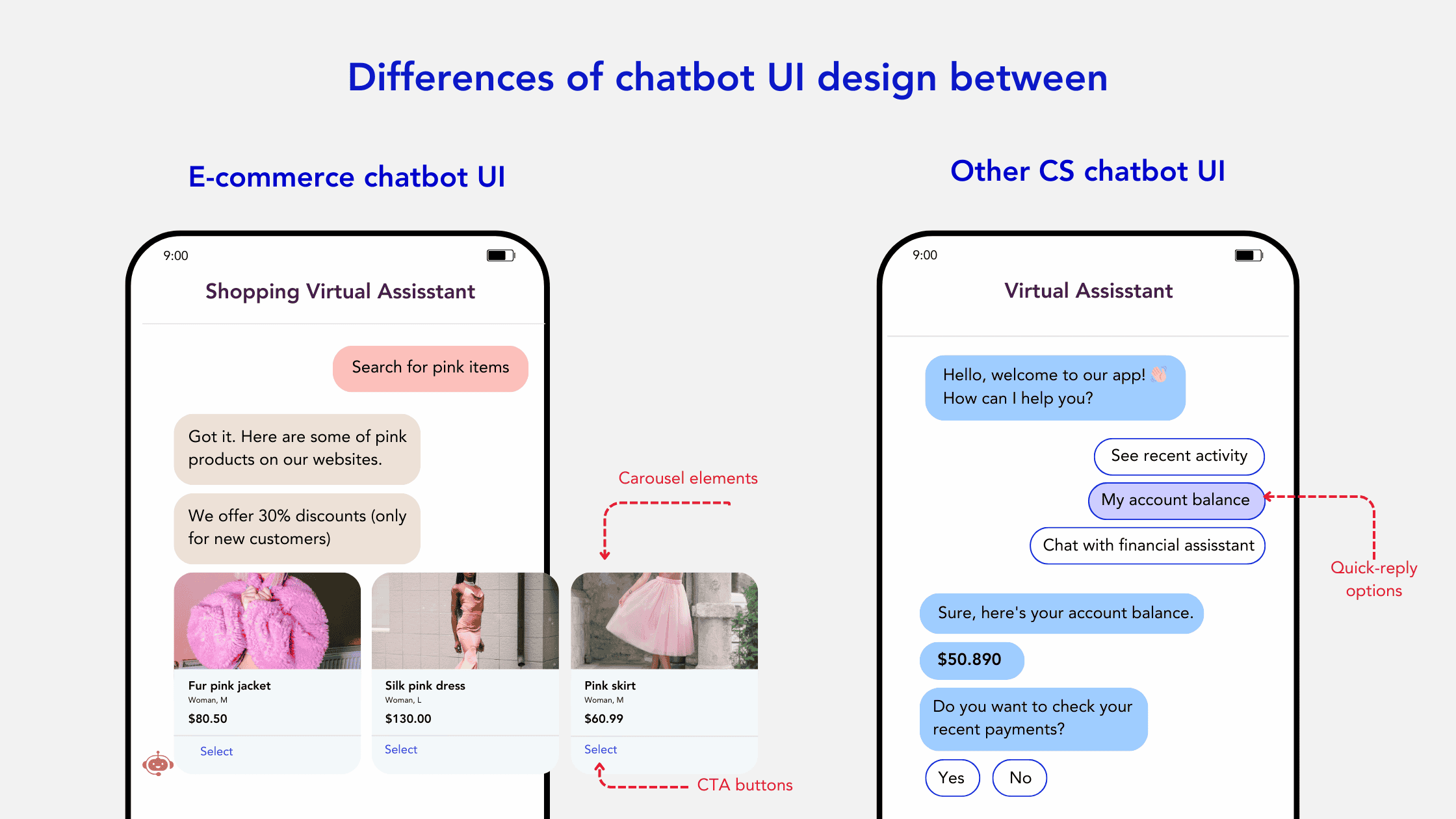
Image Credit - Golden Owl
4. Streamlining Navigation and User Flow
A well-structured user journey is essential for positive UX, and AI chatbots help users navigate seamlessly.
How Chatbots Improve User Flow?
- Guide users through websites and applications
- Suggest relevant options and features
- Reduce frustration by simplifying complex processes
With chatbot assistance, users can find what they need faster, resulting in a smoother digital experience.
5. AI Chatbots and Voice Assistants in UX
Voice-enabled AI chatbots are taking UX to the next level by offering hands-free, natural interactions.
Why Voice AI is the Future of UX?
- Offers accessibility for users with disabilities
- Creates a conversational and intuitive experience
- Reduces reliance on traditional text-based navigation
Voice-enabled AI, such as Siri and Alexa, is shaping the future of digital interactions and making user experiences more inclusive.
6. Building Trust Through Conversational AI
Trust is a fundamental component of UX, and AI chatbots contribute significantly to building credibility.
How AI Chatbots Build Trust?
- Provide consistent and reliable information
- Maintain a human-like conversational tone
- Enhance security through encrypted interactions
By ensuring transparency and reliability, AI chatbots establish stronger connections between brands and users.
7. The Role of AI Chatbots in E-commerce UX
E-commerce platforms have significantly benefited from AI chatbots, enhancing the shopping experience.
How AI Chatbots Transform E-commerce?
- Assist users in finding products quickly
- Offer personalised shopping recommendations
- Streamline checkout and payment processes
By reducing friction in the customer journey, AI chatbots make online shopping more convenient and enjoyable.
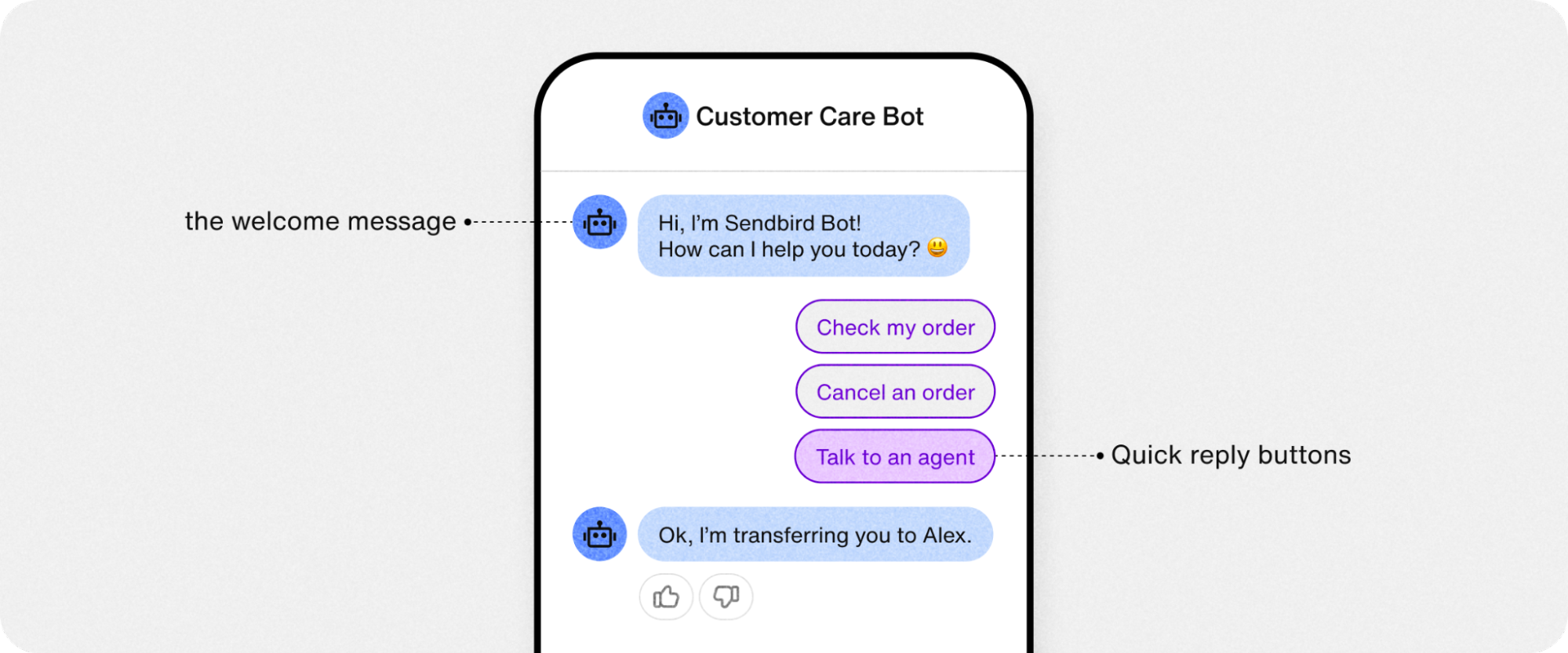
Image Credit - Sendbird
8. Overcoming UX Challenges with AI Chatbots
Despite their advantages, AI chatbots must overcome certain UX challenges.
Common UX Challenges and Solutions
- Lack of human touch: Integrate empathetic language and smooth transitions to human agents
- Misinterpretation of queries: Enhance NLP (Natural Language Processing) capabilities
- Over-automation: Maintain a balance between AI-driven and human interactions
By addressing these challenges, AI chatbots can continue to refine digital experiences.
9. Future Trends: The Next Phase of AI in UX
AI chatbots are evolving rapidly, and their future in UX design looks promising.
Upcoming AI Chatbot Trends
- Hyper-personalisation with advanced AI algorithms
- Integration with augmented reality (AR) and virtual reality (VR)
- Emotional AI that recognises and responds to user emotions
These trends indicate that AI chatbots will become even more sophisticated, enhancing UX in new and innovative ways.
10. Implementing AI Chatbots in UX Strategy
For businesses looking to integrate AI chatbots into their UX strategy, careful planning is essential.
Best Practices for Implementing AI Chatbots
- Identify key touchpoints where chatbots can add value
- Use AI-driven insights to enhance chatbot performance
- Continuously test and refine chatbot interactions
With a strategic approach, AI chatbots can become a powerful asset in creating seamless digital experiences.
What you'll learn:
- Learn from industry experts and master practitioners.
- Engage in hands-on, project-based learning experiences.
- Connect with a vibrant community of creatives and professionals.
- Receive a certificate to boost your portfolio and credentials.
Conclusion
AI chatbots are reshaping UX design by improving engagement, personalisation, and accessibility. Whether in customer support, e-commerce, or navigation, their impact is undeniable. As AI technology advances, chatbots will continue to play a crucial role in enhancing digital interactions. Businesses that leverage this technology effectively will provide superior user experiences, gaining a competitive edge in the digital landscape.
Enhance your UX design skills with AI-driven innovation! Learn how AI chatbots can personalise experiences, streamline interactions, and transform digital engagement.
Join Kaarwan’s Advanced UX Design Course today and stay ahead in the evolving digital landscape!
FAQs
1. How do AI chatbots improve user experience?
AI chatbots enhance user engagement by providing instant responses, personalised interactions, and seamless navigation.
2. What role do AI chatbots play in e-commerce UX?
AI chatbots assist shoppers by offering product recommendations, streamlining checkout, and improving customer support.
3. Are AI chatbots replacing human customer support?
While AI chatbots automate many tasks, they complement human agents rather than replace them, ensuring a balanced customer experience.
4. How do AI chatbots enhance website navigation?
AI chatbots guide users through websites, helping them find information quickly and reducing navigation complexities.
5. What are the future trends of AI chatbots in UX?
Future trends include hyper-personalisation, voice-enabled AI, AR/VR integration, and emotional AI for deeper user interactions.